

iPhone 13 — here's the one thing it needs for me to upgrade
iPhone thirteen — here'due south the one thing it needs for me to upgrade
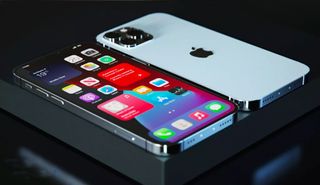
As time marches inexorably frontward, the closer we describe to the reveal of the new iPhone, currently chosen the iPhone 13 until Apple cooks upward an official name; it could be the iPhone 12s. And that's got me thinking what I'd similar to see from the next iPhone.
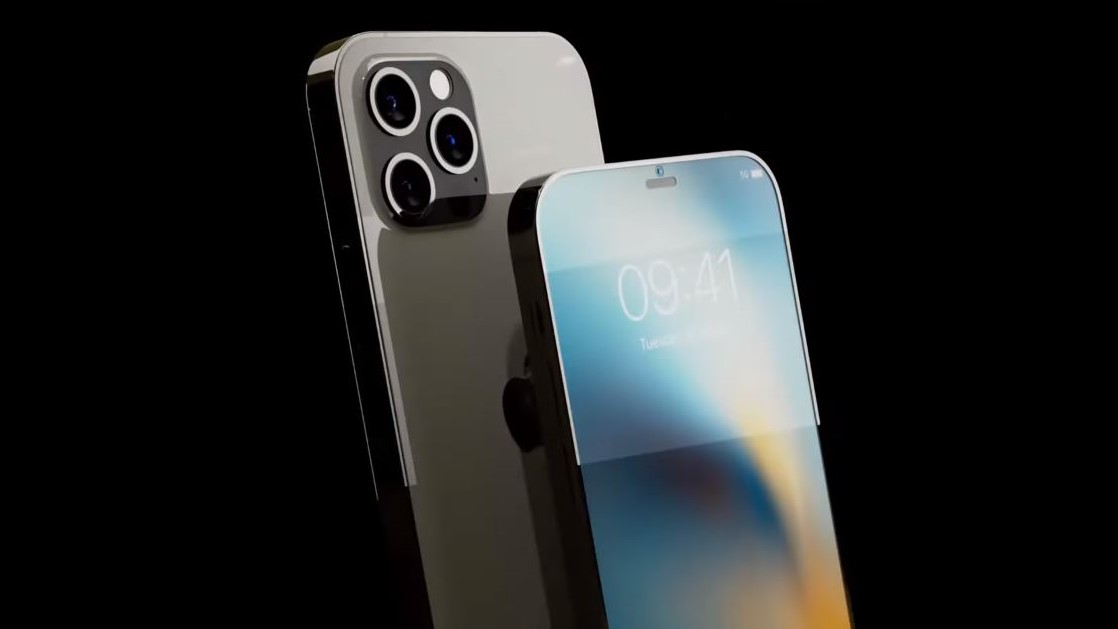
The rumors then far point towards the iPhone thirteen coming with an upgraded chipset, smaller notch, improved cameras, and potentially the render of Touch ID nether the display. But the nigh interesting upgrade to me is that the iPhone thirteen could have a high refresh rate 120Hz display.
- iPhone 13 vs. iPhone 12: The biggest changes to expect
- Apple Watch 7 huge redesign simply leaked - here's your first expect
- But in: Google Pixel 6 Pro leak teases a huge photographic camera upgrade
Such a brandish was predicted for the iPhone 12, the Pro models at least, but information technology didn't happen. As impressive as the iPhone 12 Pro Max is, with it'south high-end cameras and flat-edged design, information technology'southward OLED display however has a 60Hz refresh rate. And that was a crying shame in my eyes. Allow me to explain.
Raving nearly refresh
Going back to a 60Hz display, even on a phone as critically-acclaimed equally the iPhone 12, felt very jarring.
As I write a lot virtually Android phones, I've been using Samsung, OnePlus, Google and Oppo phones for the past few years, jumping betwixt handsets every four to six months. But I still consider myself platform agnostic; I'm an iPad fan afterward all.
So when I was sent an iPhone 12 for testing, I was excited to become my hands on the latest handset out of Cupertino with the latest iteration of iOS. My starting time smartphone was an iPhone 4S so I practice have some skin in the iOS ecosystem. But using the latest iPhone 12 reminded me what a pleasing experience Apple'south phones deliver.
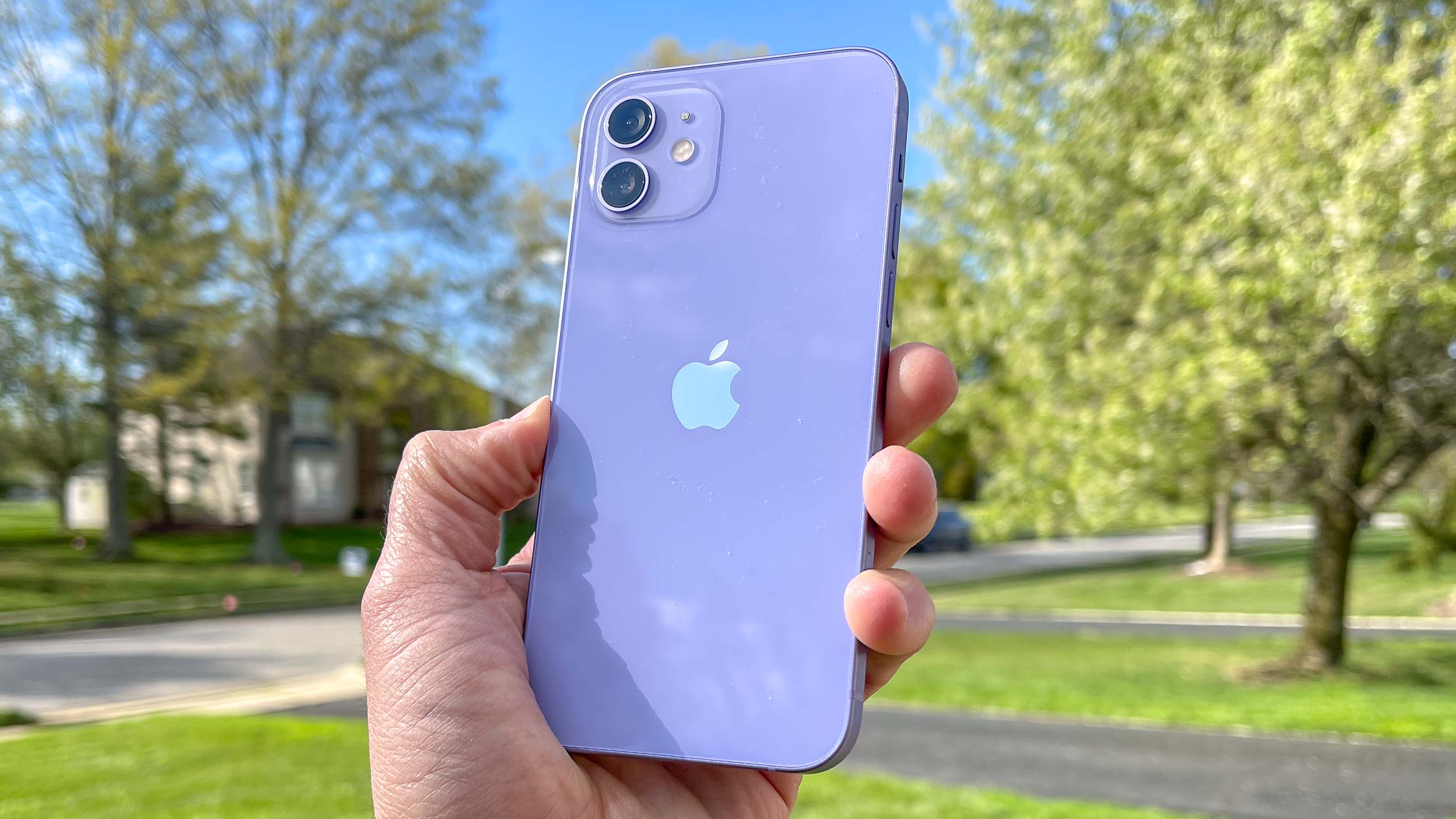
Okay, moving apps around and dealing with notifications even so feels like a mess to me. Only the design of the icons, the neatness of the settings menu, the new-ish Dark Fashion, the powerful pair of rear cameras, and the transparency of folders all felt lovely to use. And all this was emphasized past the smart design and lovely OLED display of the iPhone 12. Granted the notch is a little distracting when I'm used to punch-pigsty cameras, but I soon got used to information technology.
What I couldn't go used to was the lack of a loftier refresh rate. I got my first gustatory modality of 90Hz refresh rate displays with the OnePlus 7 Pro and rather quickly loved the smoothness, even though I didn't experience it was essential. But then I had to bounce back to 60Hz displays on Samsung phones for piece of work, and so I didn't have a lot of time to get used to the college refresh charge per unit.
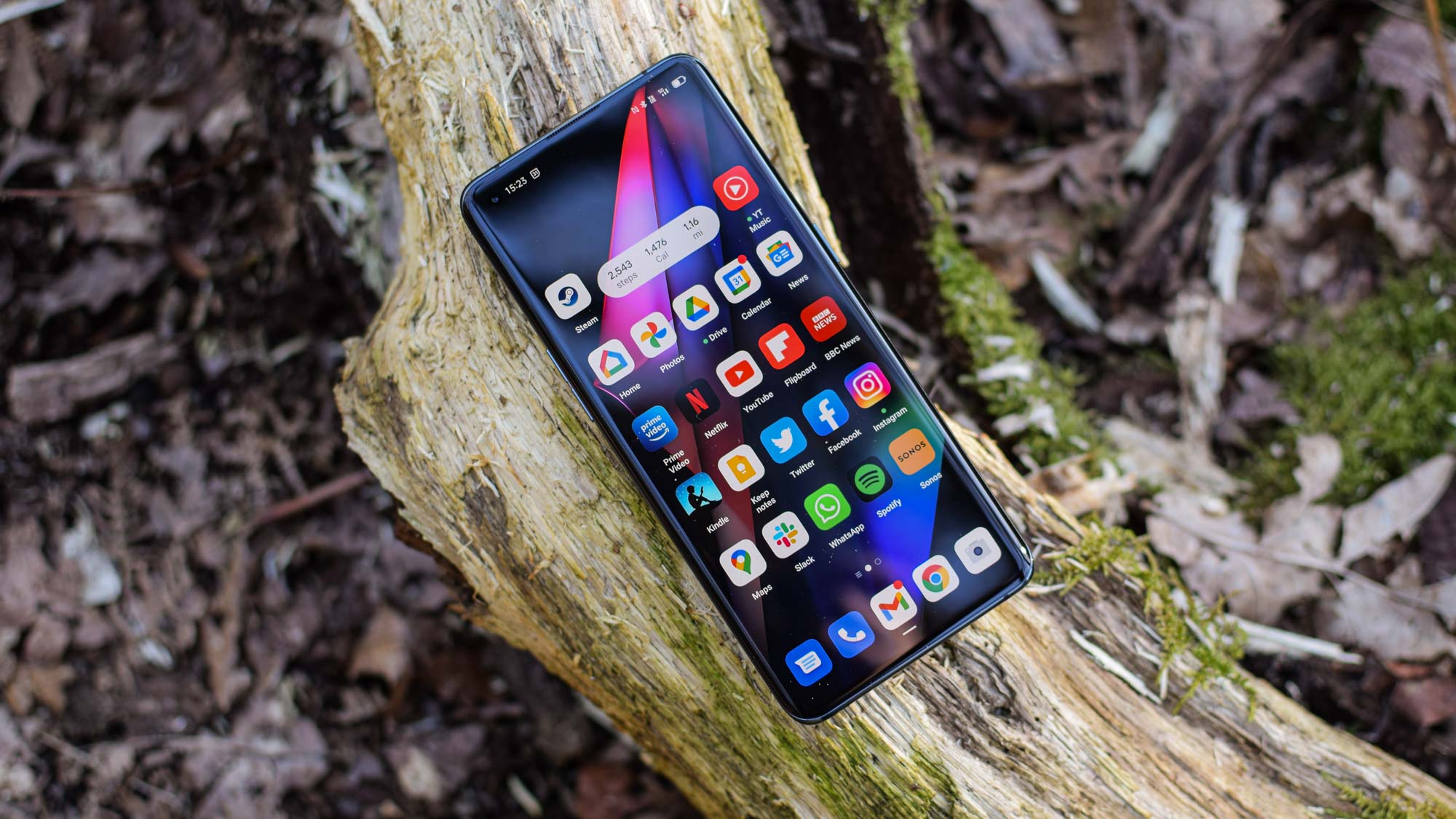
And then in 2020 I started using the rather lovely Oppo Find X2 Pro with its 120Hz refresh rate. Subsequent phones like OnePlus 8T, Samsung Galaxy S21 and the Oppo Find X3 Pro, my electric current daily driver, all have 120Hz displays. That actually saw me become used to the 120Hz refresh rate, so much so that I can now feel the difference between it and say the 90Hz display of the Google Pixel 5.
So going dorsum to a 60Hz phone display, even on a phone as critically-acclaimed every bit the iPhone 12, felt very jarring.
Now, don't become me wrong, the iPhone 12 delivers a superbly smooth experience. Not merely is iOS 14.v conspicuously optimized upwards the wazoo, but the ability of the A14 Bionic pretty much means flitting between games and apps is seamless.
But that powerhouse chip and snappy software tin can't evangelize the smoothness of a 120Hz display. Information technology feels like the sheer power of the A14 Bionic is held back by the 60Hz panel on the iPhone 12; remember of it similar a Ferrari trying to navigate a narrow route with a 30 mph speed limit — you know the power is there, you merely can't feel it.
The Oppo Find X3 Pro feels ridiculously responsive with its 120Hz OLED brandish and touch sampling of 240Hz, every bit if screen, chip and software are working in perfect harmony.
Past comparison, the Oppo Find X3 Pro has the latest flagship Qualcomm Snapdragon 888 and a fantastic 120Hz OLED display. When you gene in a touch sampling of 240Hz, the telephone feels ridiculously responsive, as if screen, chip and software are working in perfect harmony.
Of form, that could all alter with the iPhone 13. Or the iPhone 13 Pro and 13 Pro Max at least, as the larger phones are expected to go a high refresh charge per unit LTPO console. And given my feel with the iPhone 12, I'd certainly consider actually returning to iOS if Cupertino finally makes a phone with a 120Hz refresh charge per unit.
120Hz iPhone xiii: Please, Apple!
Other than the smoothness, there are other reasons why a LTPO 120Hz brandish on the iPhone 13 would exist compelling.
There's a good chance that when iPhones get a loftier refresh brandish there'll be a lot of apps configured to take advantage of 120Hz.
While we've had phones with loftier refresh rate displays for over two years now, the initial implementation of such panels wasn't flawless. They ate up battery; non many apps were configured to take reward of the boosted refresh rate; and adding in the ability to switch refresh rates required extra hardware between the phone and its display.
But now we have phones with LTPO panel tech, which allows for dynamic refresh rates, with screens able to scale back for 120Hz downwards to a mere 1Hz to save battery life and not impose an unnatural form of movement on movies and video content. LTPO displays can be constitute in the OnePlus nine Pro and Samsung Galaxy S21 Ultra, for example.
So rather than be first to adopt high refresh charge per unit, if the rumors testify to be true, Apple's determination to wait could mean it volition become access to the all-time take on high refresh charge per unit display available this year. And if in that location'south one matter Apple is proficient at, information technology's taking existing tech and using information technology in the most refined fashion.
"Apple will demand extremely tight tolerances from Samsung Brandish on the panels, and it will make them equally ProMotion — just like the variable refresh displays on the iPad Pro," Techsponential analyst Avi Greengart told me. "Beyond that, Apple tree does non need to exercise anything to prepare its individual components apart; the iPhone is a differentiated organisation in software, silicon, user interface and ecosystem."
That last flake is especially interesting, as the depth and breadth of Apple tree's curated developer ecosystem means there's a expert chance that when iPhones get a high refresh display there'll be a lot of apps that'll be configured to take advantage of 120Hz. I specially like the idea of 120Hz Apple Arcade games, especially now that such games have wider controller support.
Furthermore, when Apple adopts a item type of tech it forces other phone makers to refine their take on said technology, or come with something special to curtail the new iPhone threat. And that could mean Samsung goes for higher refresh rate displays or new panel components to help reduce the bombardment bleed of a 120Hz refresh rate even farther.
Simply even if this doesn't happen, an iPhone 13 with a 120Hz refresh rate would be enough to really get me to consider a shift abroad from Android and a return, of sorts, to my smartphone roots.
I only hope Apple equips all models of its next iPhone with 120Hz displays, as leaving standard iPhone users on the wayside would be a crying shame, particularly when the standard iPhone has been i of the best phones you can buy dollar for dollar for multiple generations.
- More: Apple Watch 7 looks stunning in new renders — here'due south your first look

Source: https://www.tomsguide.com/news/iphone-13-heres-the-one-thing-it-needs-for-me-to-upgrade
Posted by: beasleyjustoll.blogspot.com
0 Response to "iPhone 13 — here's the one thing it needs for me to upgrade"
Post a Comment